Learn
Are moles cancerous? Signs to watch and when to get checked.
Some skin cancers resemble moles, so recognising changes can help you seek timely assessment.

Most moles are benign. Melanoma can develop in an existing mole or appear as a new spot, and other skin cancers can also resemble moles. Appearance alone cannot always distinguish them.
Have a new, changing, bleeding or unusual spot assessed. Removing ordinary moles does not remove your risk of developing melanoma elsewhere.
What are the chances of a mole being skin cancer?
Any given mole has minimal risk of being a skin cancer, but there is some information about both the mole and the person that can suggest the risk of one of their moles being a skin cancer. If the mole is an “ugly duckling” there’s a higher risk of it being a skin cancer.
An ugly duckling mole is one that doesn’t match any of the others on the person’s skin. There’s no specific shape or colour, and it doesn’t even need to be “ugly” — it’s an odd one out or outlier that looks unrelated to the other moles.
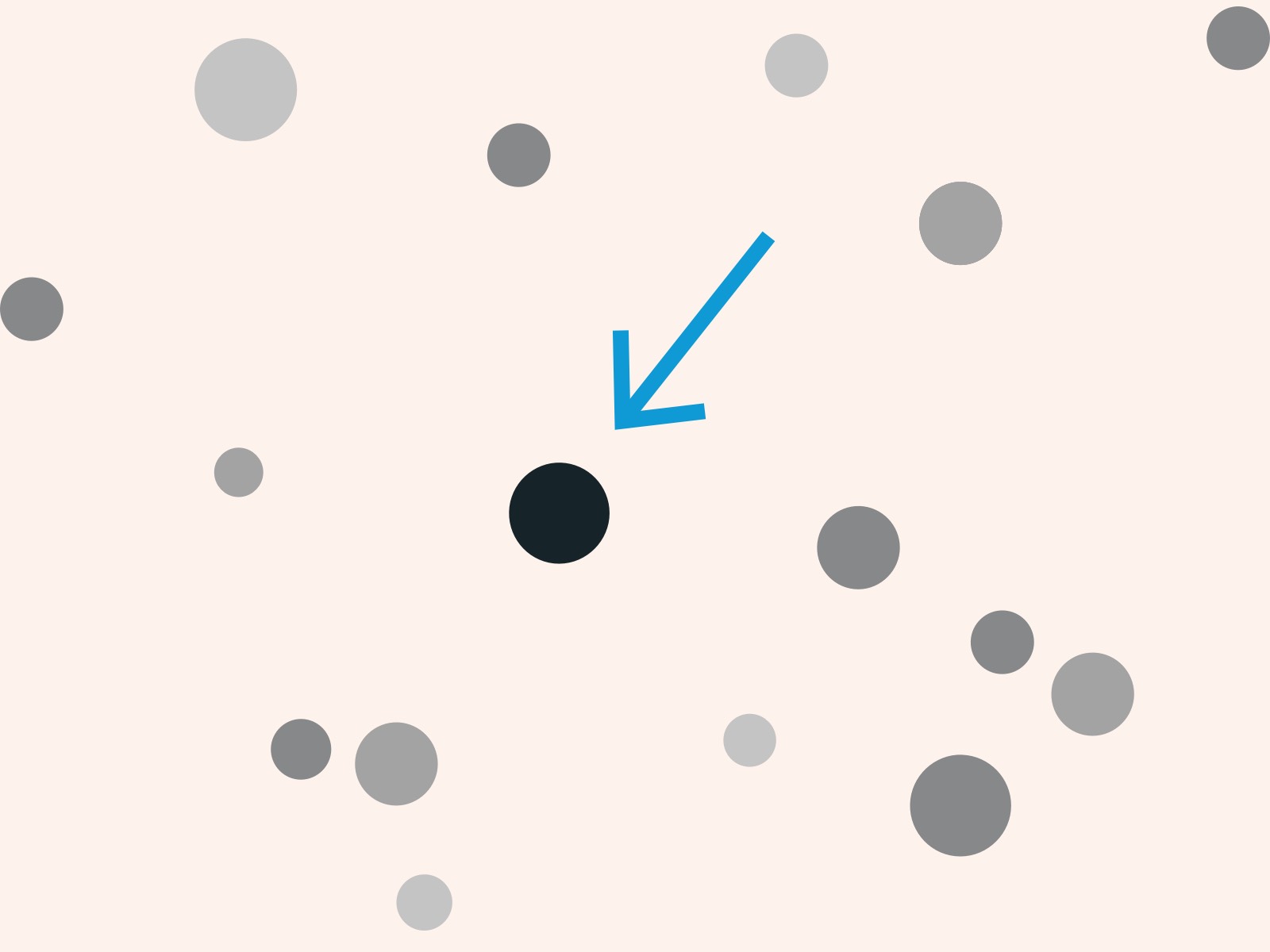
In this image, the dark spot is an ugly duckling. Swipe or click on the arrow to see more examples of ugly ducklings.
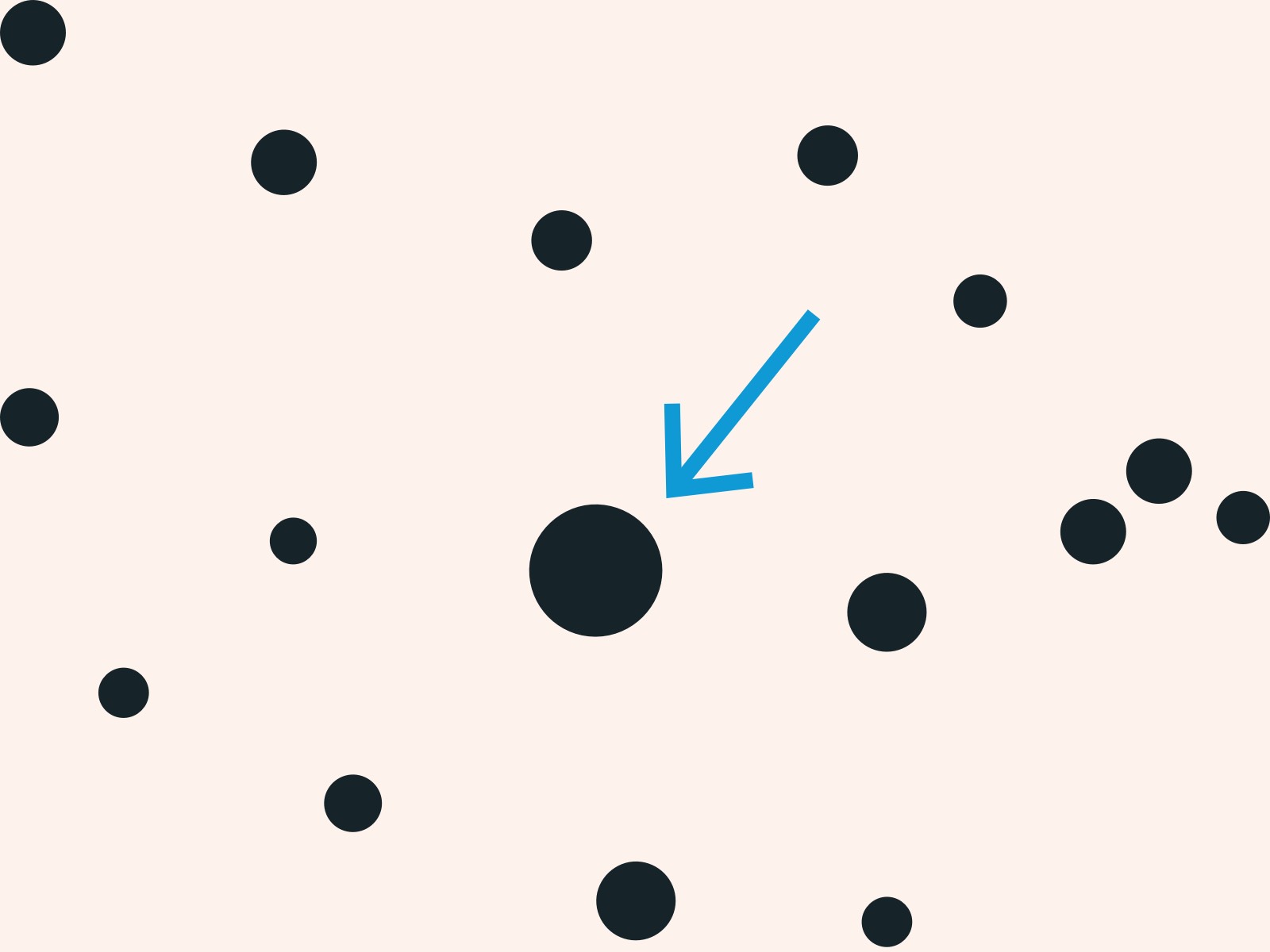
The large spot is an ugly duckling.
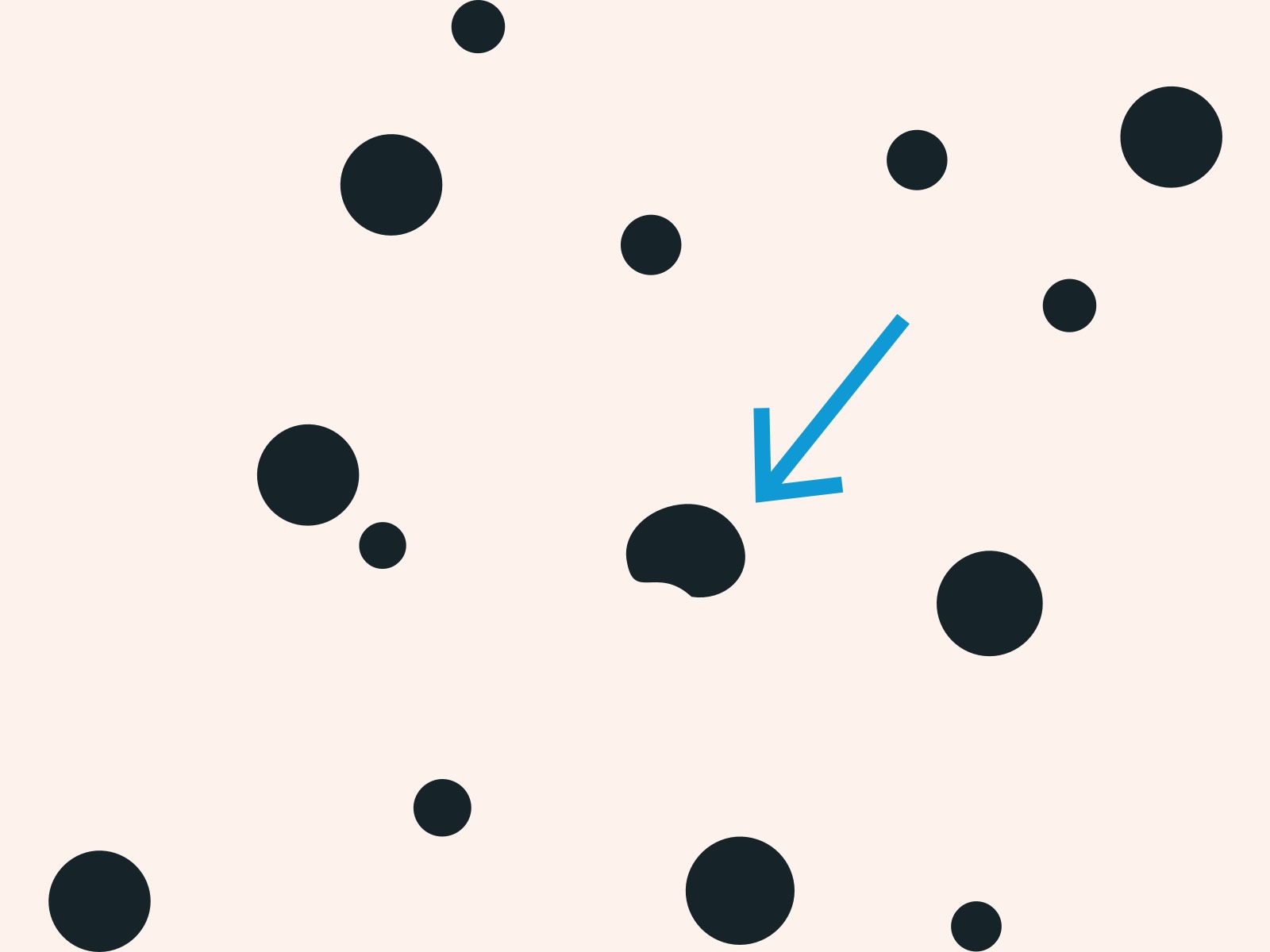
The irregular spot is an ugly duckling.

The lone spot is an ugly duckling.
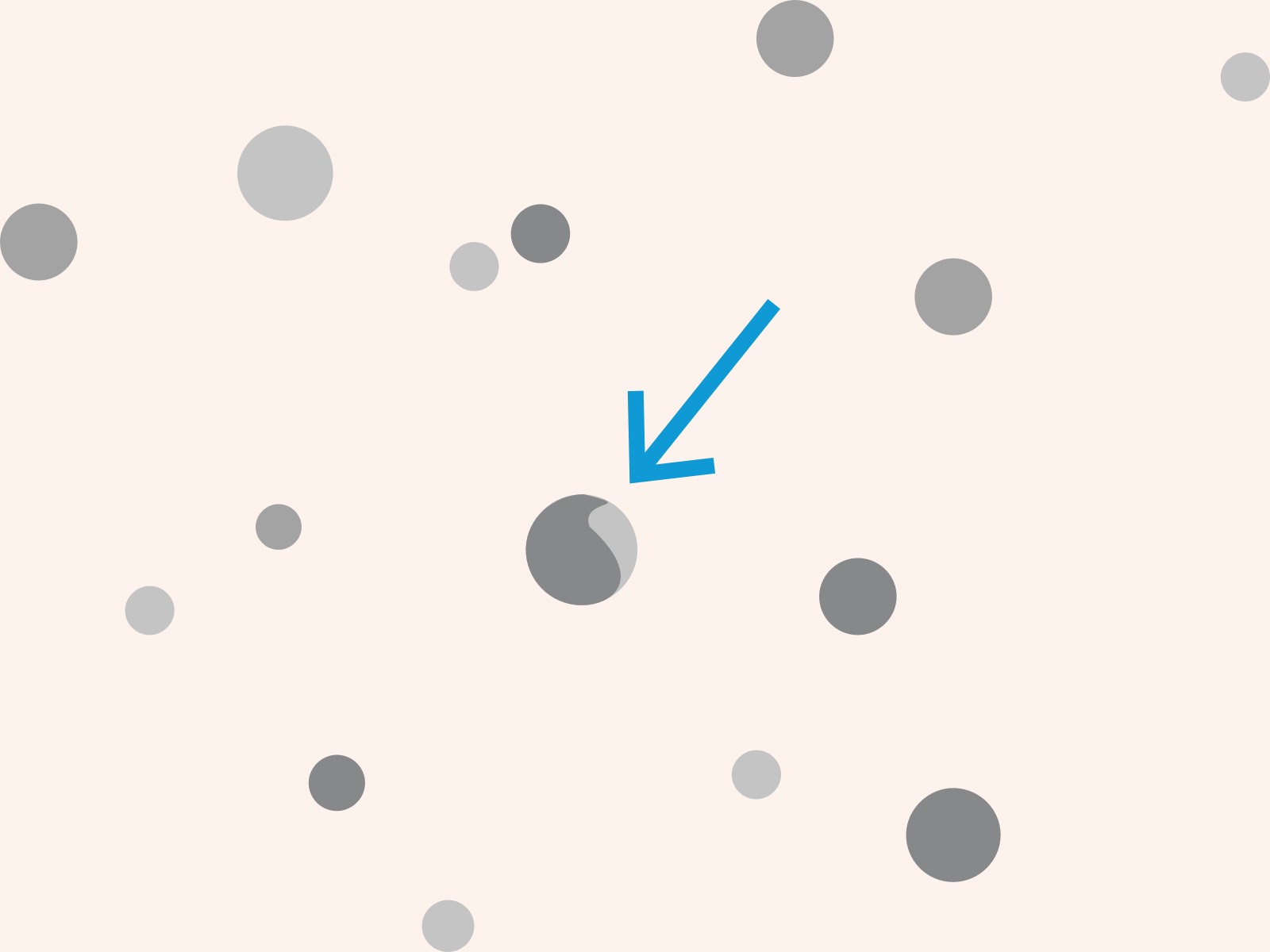
The multicoloured spot is an ugly duckling
There’s a higher chance that one of your moles could be a skin cancer if you have risk factors. These include:
- A previous history of skin cancer such as melanoma, squamous cell carcinoma or basal cell carcinoma.
- Many (more than 100) moles.
- History of dysplastic moles.
- Increasing age (by the age of 70, about two-thirds of all Australians have had at least one skin cancer).
- Very fair skin, especially with red hair.
- History of solarium/tanning bed use.
- Sun-damaged skin, especially if there are solar keratoses present.
- History of multiple peeling or blistering sunburns while young.
- Occupational or other long-term exposure to the sun over many years.
- Smoking.
Some general health conditions increase the risk of skin cancer:
- Taking immune-modifying medications (e.g. for inflammatory bowel disease, rheumatoid arthritis, organ transplant or multiple sclerosis).
- Some forms of lymphoma or leukaemia.
- History of radiotherapy.
- HIV infection with decreased immunity.
When should you worry about a mole?
Some characteristics of a mole might mean that it is more likely to be a skin cancer. If a mole is an “ugly duckling”, it might be more likely to be cancerous.
Any new or changing lesion should be assessed during a skin check with a doctor experienced in skin cancer detection.
Early skin checks allow suspicious lesions to be identified and treated before they become more serious.
A |
Asymmetry |
If you were to draw a line through the centre of the mole, the two sides would look different. |
B |
Border |
The edge/border of the spot is irregular. It might be clear in one area and indistinct in another. |
C |
Colour |
The spot has many different colours (not just shades of one colour). |
D |
Diameter |
Melanomas can be smaller than 6 mm. Increasing size or another change matters even when a spot is small. |
E F G |
Elevated, firm, growing |
Any raised lump that has a firm consistency and is growing is suspicious. |
Warning signs of melanoma
Changes in a mole can be a sign of melanoma, although it’s important to remember that there are many reasons why normal moles change and most changes are not due to melanoma or any other skin cancer.
Changes in size, shape or colour
If a pre-existing mole changes in size (i.e. spreads out sideways), changes from a symmetrical shape to an irregular one, or develops new colours, it can be a melanoma warning sign.
Itching, painful or suddenly raised
A mole that feels itchy, painful or tender to touch may be melanoma, especially if it has changed from flat to more raised. Fortunately, most of the time, itchy or painful moles are not due to melanoma.
Squamous cell carcinoma and basal cell carcinoma warning signs
Other, more common and less serious skin cancers, such as basal cell carcinoma and squamous cell carcinoma, may have subtle signs:
- A pink pimple-like lump.
- A persistent sore that does not heal, or repeatedly bleeds or scabs. Do not wait months to have it assessed.
- A crusted raised lump that has grown quickly and is tender to touch.
- An area of rough pink skin that resembles a small rash but hasn’t resolved after applying treatments for dermatitis or infection.
- A small area of rough pink skin that hasn’t settled after being frozen or applying treatments for solar keratosis.
What are my options if a mole is cancerous?
In many cases, skin cancers diagnosed during a skin check can be treated successfully. Nearly all skin cancers diagnosed in a skin cancer clinic are successfully treated.
If a skin cancer doctor suspects that a mole might be skin cancer, the options are:
- Take a punch or shave biopsy to get more information (e.g. Is the diagnosis really skin cancer? How deep into the skin does it penetrate? Does the growth pattern look aggressive)?
- Perform a surgical excision to completely remove the mole. This is almost always the better option if your doctor suspects that the mole is a more serious skin cancer such as melanoma or Merkel cell carcinoma.
Treatment options for cancerous mole removal
Once a diagnosis of cancer is confirmed, there are multiple treatment options, each with advantages and disadvantages.
Melanoma and more aggressive sub-types of basal cell carcinoma and squamous cell carcinoma pose a potentially serious health risk and must always be surgically excised (cut out) with a clear margin of normal skin around the edge to prove that the cancer has been completely removed.
Less serious forms of skin cancer can be treated by various surgical or non-surgical methods, including:
- Radiofrequency surgery.
- Electrosurgery, sometimes known as diathermy or electrocautery.
- Curettage (shaving off), followed by cautery of the base of the wound.
- Cryotherapy (freezing).
- Prescription topical treatments — a doctor can advise on suitability.
- Photodynamic therapy.
When should you book a skin check?
If you are concerned about a new or changing mole, a clinical skin examination can help determine whether the lesion requires monitoring, biopsy or treatment.
A skin cancer doctor can decide whether any given “mole” on the patient’s skin really is a mole or if it is a skin cancer. This is usually done by examining with a dermoscope. At Spot Check Clinic, we take high-magnification photographs of any moles of concern, which allows for closer examination of the mole.
Your doctor will explain whether a spot needs monitoring, biopsy or treatment.
- If you are concerned about only one or two spots and don’t have skin cancer risk factors, you can usually book an appointment for a 1-3 spot check.
- If you would like to have your whole body checked for signs of skin cancer, book a full body skin check.
- If you have many (hundreds) of moles, you may wish to have total body photography (“mole mapping”) to document them all and help track changes.

MBBS, MA (Virtual Comm), Grad Cert Hlth Info, Grad Dip Comp Inf Sci
Concerned about a mole or spot
A doctor-led skin check includes dermoscopy of every mole and spot. Biopsy where clinically needed. No referral required. Melbourne CBD.
Find out about skin checks