SKIN CONDITIONS
Freckles & age spots
Freckles and age spots are common pigmentation changes influenced by sun exposure.
- Freckles form as the skin produces pigment in response to sunlight
- Age spots are persistent solar lentigines
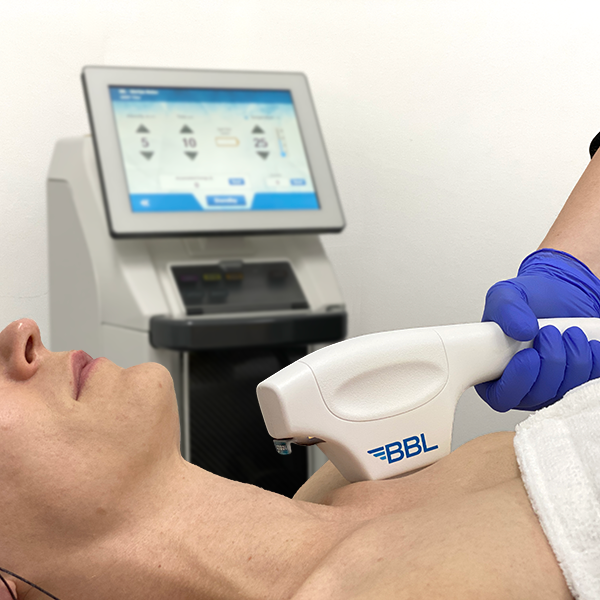
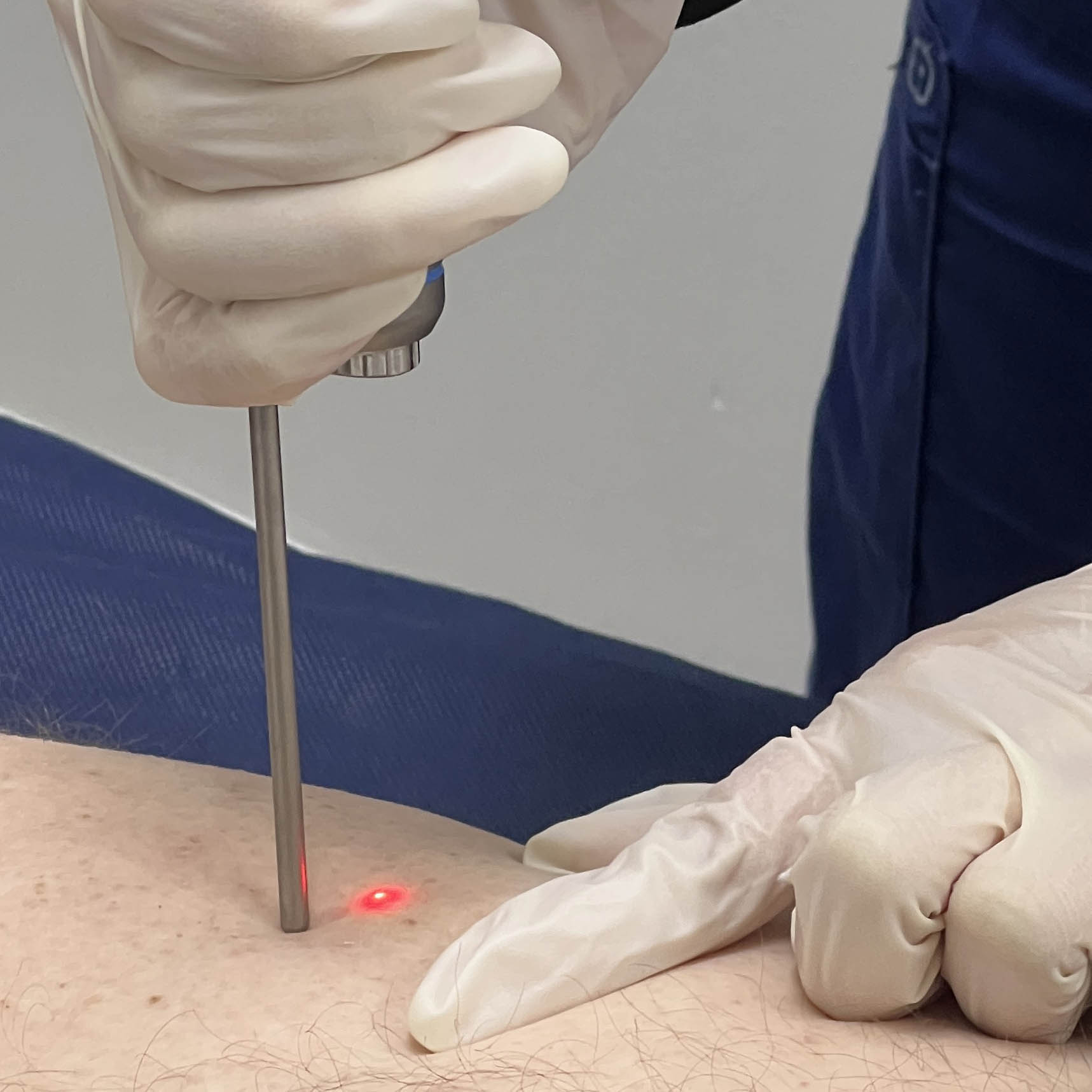
- Treatment options include BBL, laser and topical products

Freckles form when the skin produces more melanin, its natural pigment, in response to sunlight. A tendency to freckle is inherited.
Age spots, also called solar lentigines, develop with cumulative sun exposure and commonly appear on the face, hands, forearms and chest.
What do they look like?
Usually irregular-shaped tan or brown patches with well-defined edges. The surface can be smooth or rough. They often appear after periods of increased sun exposure — at the end of summer or after a holiday.

MBBS, MA (Virtual Comm), Grad Cert Hlth Info, Grad Dip Comp Inf Sci

Age spots (solar lentigines) on the back of a woman’s hands.
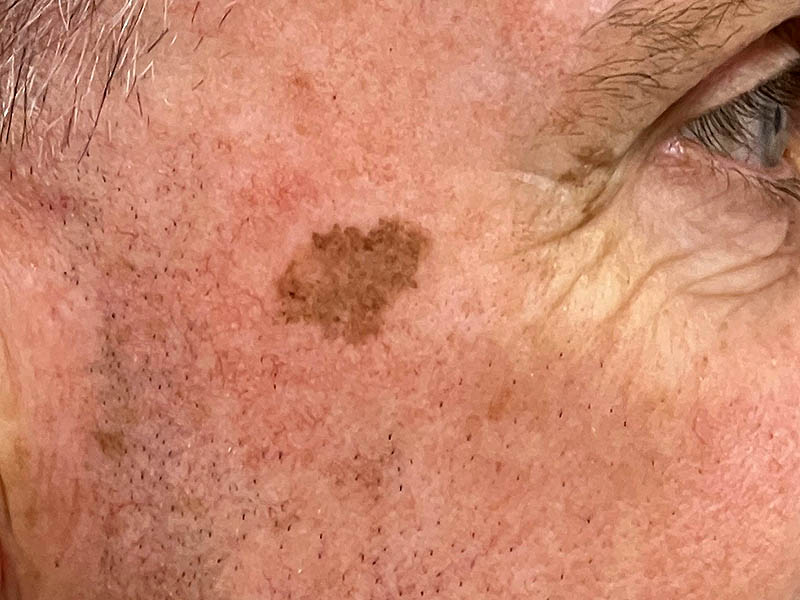
Large solar lentigo on a man’s right cheek
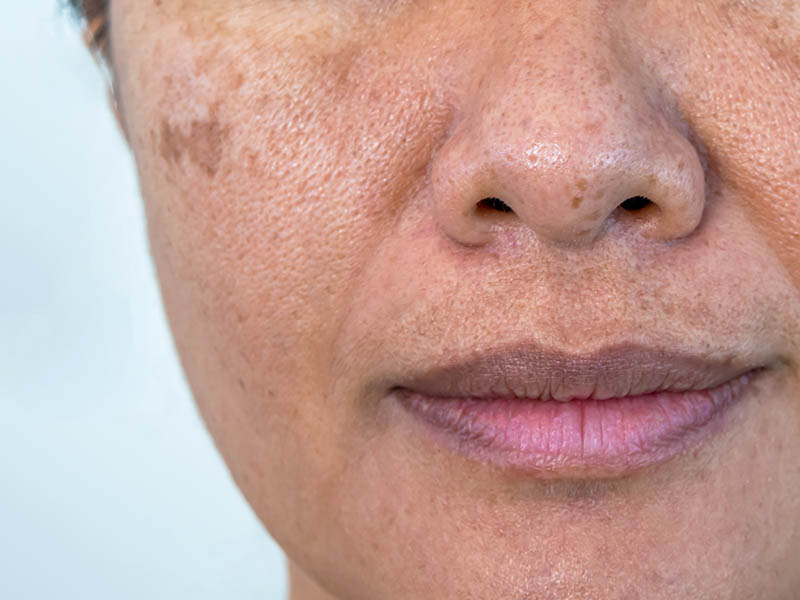
Freckles and a larger solar lentigo on a woman’s face
For a detailed comparison of laser, BBL, cryotherapy and topical options, see our guide to freckle and age spot removal.
Who gets freckles and age spots?
Most common on fair-skinned older people but can appear at all ages and on all skin types.
Progression
Some spots become raised and develop into seborrhoeic keratoses (thickening of the top layer of skin). Occasionally, lentigines become inflamed and develop into lichenoid keratoses, which usually resolve and disappear without treatment.
Treatments for freckles & age spots

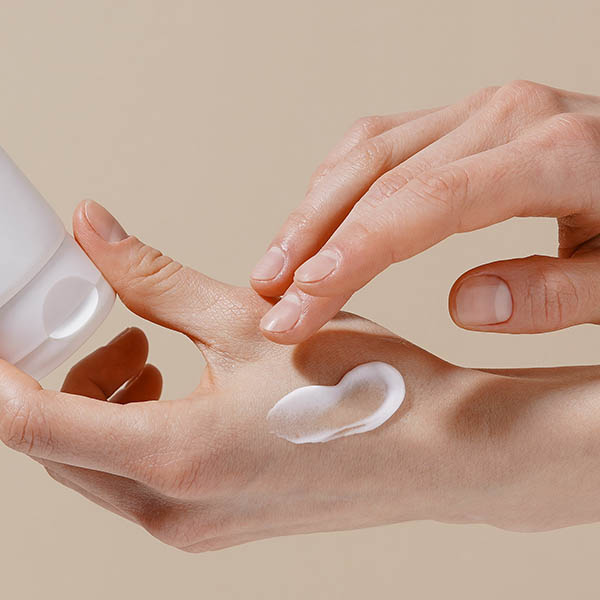
Managing freckles with a skin care routine
To keep freckles under control, you need a regular skin care routine.
Freckles and age spots tend to appear after long periods of sun exposure, often at relatively low intensity. Because they tend to appear on uncovered areas such as the face and backs of hands, applying sunscreen every day – even in winter – can help prevent them.
Treat freckles and age spots
Freckles and age spots can be improved with BBL, laser or topical treatments. A pigmentation assessment helps determine the right approach for your skin.
Book a skin treatment assessment with a nurse