LEARN
Nail hygiene and fungal nail infection
Good nail hygiene supports fungal nail treatment and helps reduce the risk of reinfection.
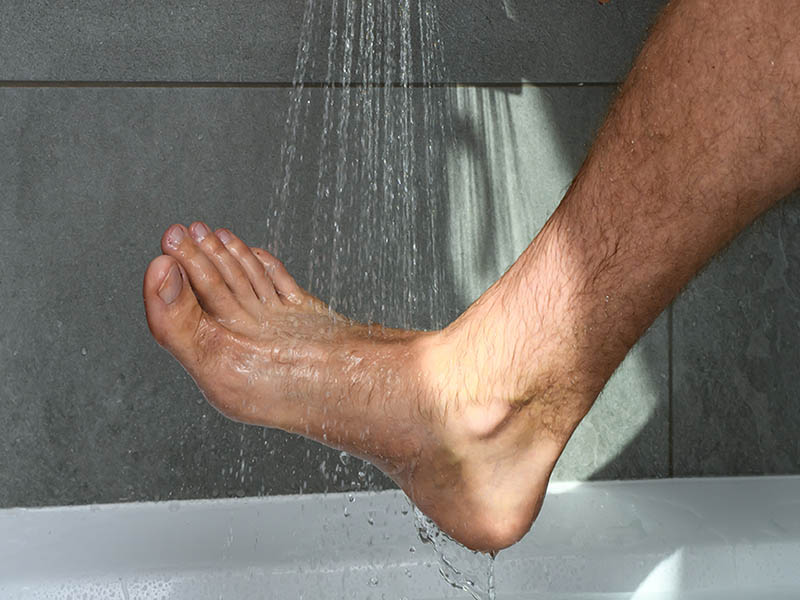
Fungi thrive in a warm, moist, dark environment
Make it as difficult as possible for fungi to survive both on your nails and in your home.
Avoid situations where you may be exposed to nail fungi:
- Keep your nails cut short and file down any thick areas.
- Don’t use the same nail trimmer or file on healthy nails that you’ve used on infected nails.
- Don’t scratch, pick or rub the treated toes/fingers.
- Wash all socks, stockings, washable footwear, sheets and towels in an antifungal detergent regularly. These detergents are available from pharmacies.
- Air your shoes in a warm, sunny place when you’re not wearing them.
- Wash or replace insoles regularly if possible.
- Wear open-toed sandals or thongs while you are indoors. Don’t go barefoot since this could lead to the spread of the fungus and transmission to others in the household.
- Wear clean, dry socks every day.
- Change your socks if your feet are sweaty or wet.
- At the gym, don’t walk barefoot. Wash your socks and air your shoes as soon as possible after exercise.
- If your fingernails are affected, wear cotton gloves if handling objects used by other people (e.g. steering wheels)
- Discard all current nail polishes to avoid reinfection from contaminated brushes.
- Reduce the risk of re-infection by avoiding public pools, spas and saunas.

MBBS, MA (Virtual Comm), Grad Cert Hlth Info, Grad Dip Comp Inf Sci
2 Feb 2024

Learn more about nail fungal infections and how we treat them.
Concerned about a fungal nail infection?
Our doctors assess fungal nail infections and discuss all treatment options — topical, oral and laser. The initial assessment may attract a Medicare rebate. No referral needed
Book a skin condition assessment